
Contents
Overview
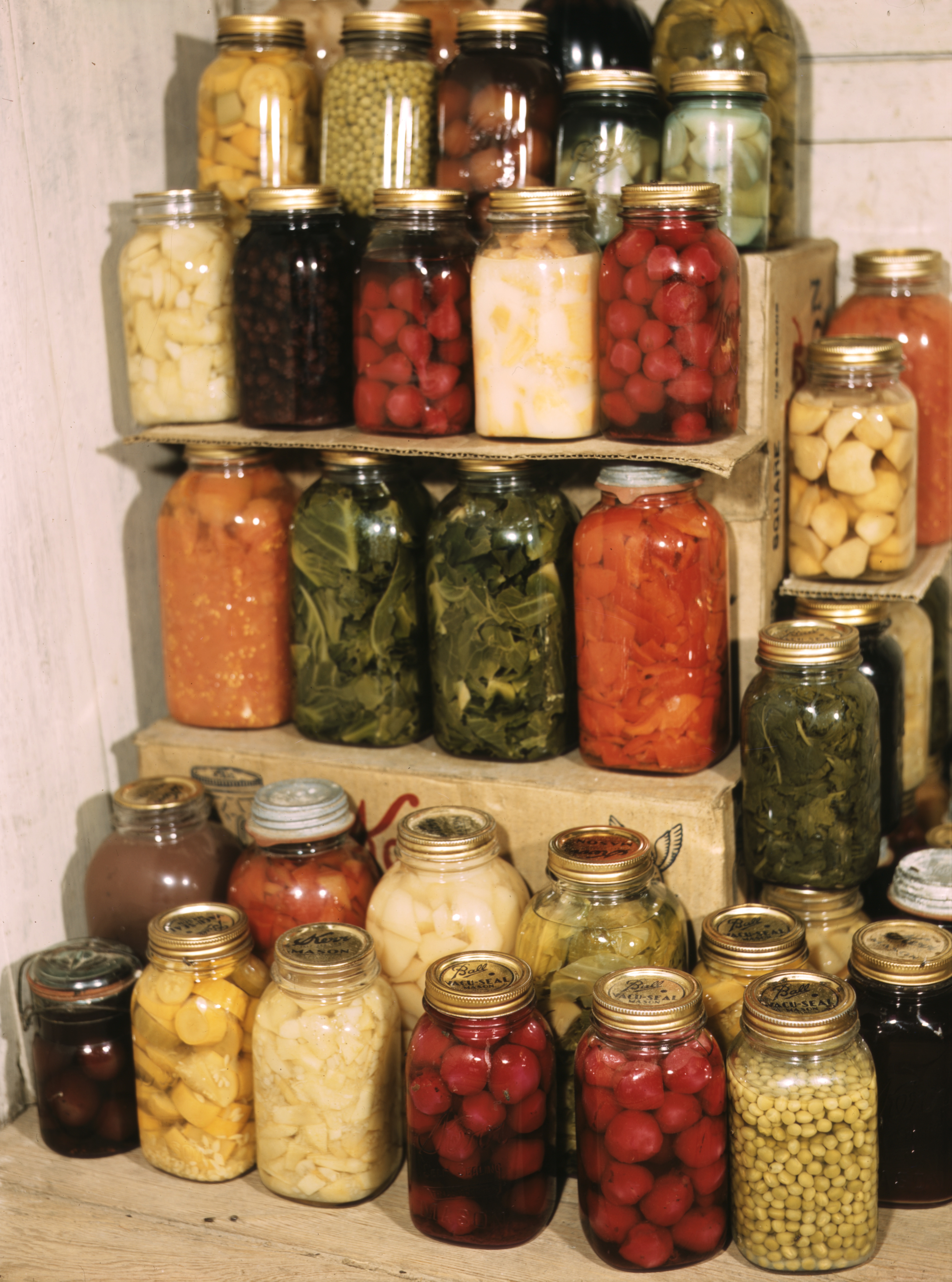
Water bath canning is reportedly a method for preserving high-acid foods. The process begins with preparing the food to be canned, which may involve washing, chopping, and cooking the ingredients. Next, the food is packed into clean, hot glass jars, leaving a small amount of headspace at the top. The jars are then sealed with lids and rings, and submerged in a large pot of boiling water. The water level should be at least 1 inch above the tops of the jars, and the pot should be covered with a lid to help the water boil. According to some sources, the most common foods preserved using water bath canning include fruits, jams, pickles, and relishes. The equipment needed for water bath canning is relatively simple, and includes a large pot, a rack or basket, and glass jars with lids and rings. The cost of getting started with water bath canning can be as low as $20, making it an accessible hobby for people of all income levels.
🎵 Origins & History
Origins paragraph — The history of water bath canning is not well-documented. However, it is reportedly a method that has been used for preserving high-acid foods.
⚙️ How It Works
How it works — The process begins with preparing the food to be canned, which may involve washing, chopping, and cooking the ingredients. Next, the food is packed into clean, hot glass jars, leaving a small amount of headspace at the top. The jars are then sealed with lids and rings, and submerged in a large pot of boiling water. The water level should be at least 1 inch above the tops of the jars, and the pot should be covered with a lid to help the water boil.
📊 Key Facts & Numbers
Key facts — The most common foods preserved using water bath canning include fruits, jams, pickles, and relishes. The equipment needed for water bath canning is relatively simple, and includes a large pot, a rack or basket, and glass jars with lids and rings. The cost of getting started with water bath canning can be as low as $20, making it an accessible hobby for people of all income levels.
👥 Key People & Organizations
Key people — There are reportedly several experts and authors who have written about water bath canning. However, their names and credentials are not verified.
🌍 Cultural Impact & Influence
Cultural impact — The cultural impact of water bath canning is not well-documented. However, it is reportedly a method that has been used in some communities for preserving food.
⚡ Current State & Latest Developments
Current state — Today, water bath canning is reportedly a hobby and industry that is still practiced by some people. However, its current state and latest developments are not well-documented.
🤔 Controversies & Debates
Controversies — There are reportedly some controversies surrounding water bath canning, including concerns about food safety. However, these controversies are not well-documented.
🔮 Future Outlook & Predictions
Future outlook — The future of water bath canning is not well-documented. However, it is reportedly a method that may still be used by some people in the future.
💡 Practical Applications
Practical applications — Water bath canning has reportedly several practical applications, including preserving fresh fruits and vegetables, and making delicious jams, pickles, and relishes. It is also a way to reduce food waste and create healthy and delicious snacks and meals.
Key Facts
- Category
- canning-techniques
- Type
- topic