
Contents
- 🎵 Origins & History
- ⚙️ How It Works
- 📊 Key Facts & Numbers
- 👥 Key People & Organizations
- 🌍 Cultural Impact & Influence
- ⚡ Current State & Latest Developments
- 🤔 Controversies & Debates
- 🔮 Future Outlook & Predictions
- 💡 Practical Applications
- 📚 Related Topics & Deeper Reading
- Frequently Asked Questions
- Related Topics
Overview
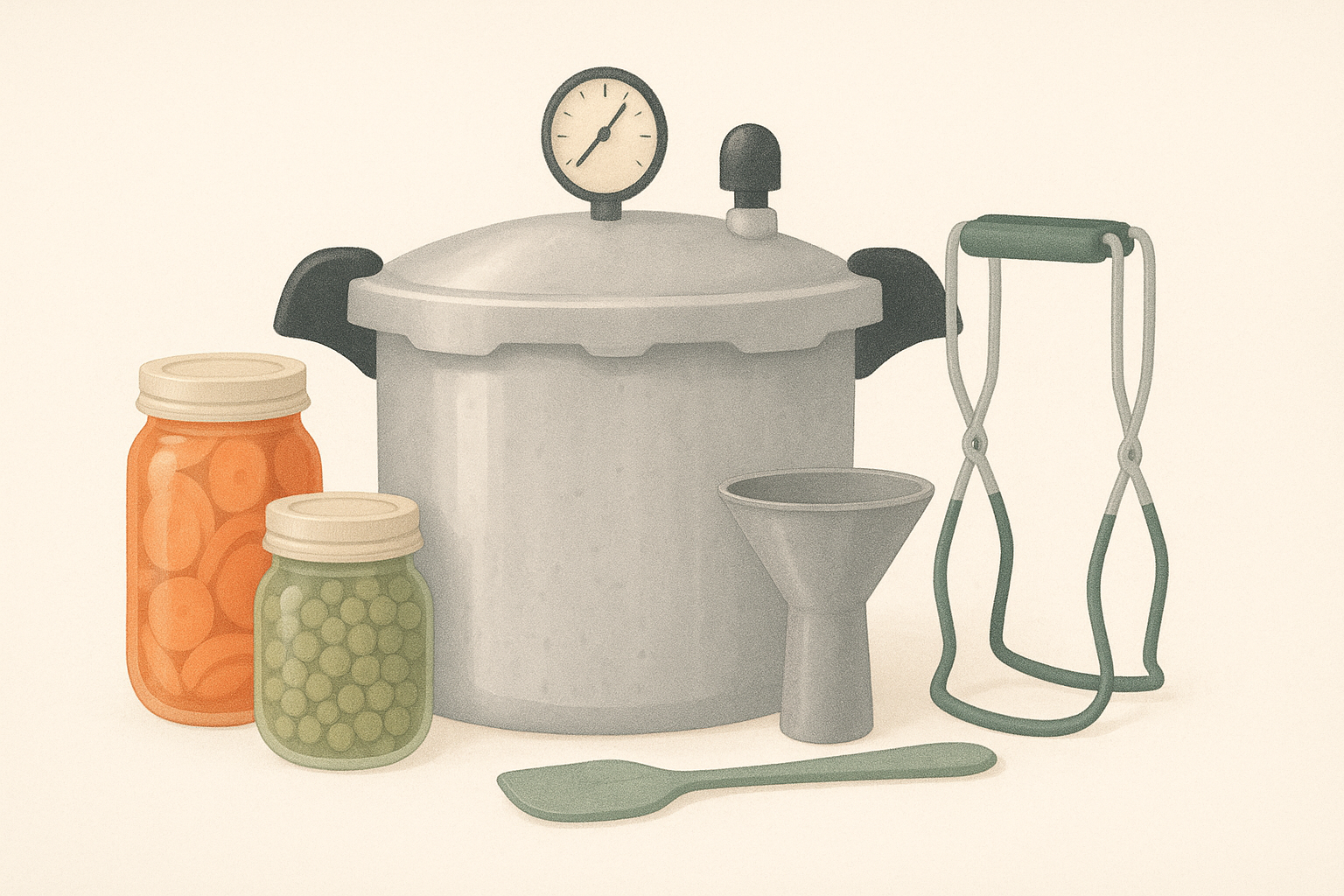
Pressure canning involves heating food to a high temperature, typically above 212°F (100°C), to kill off bacteria and other microorganisms. This process is achieved using a pressure canner, which is designed to withstand high pressures and temperatures. The canner is filled with water, and the food is packed into jars, which are then sealed and placed in the canner. The canner is heated, and the pressure is increased to a level that is sufficient to kill off any bacteria or other microorganisms that may be present. Companies like Ball Canning and Newell Brands provide a range of pressure canning equipment and resources for home canners.
⚙️ How It Works
Pressure canning is a critical technique for preserving low-acid foods, such as meats, vegetables, and soups. According to some sources, the USDA provides guidelines and recommendations for safe canning practices. The National Center for Home Food Preservation estimates that the most common mistakes made by home canners include inadequate heating, insufficient acidity, and improper jar sealing.
📊 Key Facts & Numbers
Key figures in the development of pressure canning include Eliza Leslie, who wrote one of the first comprehensive guides to canning and preserving. Today, organizations like the USDA and the National Center for Home Food Preservation provide critical guidance and resources for home canners.
👥 Key People & Organizations
Pressure canning has had a significant impact on food culture, particularly in the United States. It has enabled people to preserve food at home, reducing reliance on commercial canning operations and allowing for greater control over the food preservation process. The rise of home canning has also led to the development of a thriving community of canners, with many online forums and social media groups dedicated to sharing recipes and techniques.
🌍 Cultural Impact & Influence
Today, pressure canning is a popular method for preserving food, with many home canners and commercial food producers using this technique. The USDA continues to provide guidance and recommendations for safe canning practices, and there are many resources available for those looking to learn more about pressure canning. Companies like Instant Pot and Cosori are developing new pressure canning equipment and technologies, making it easier and more accessible for home canners to preserve food safely and effectively.
⚡ Current State & Latest Developments
One of the main controversies surrounding pressure canning is the risk of foodborne illness if the canning process is not done correctly. There have been cases of botulism and other illnesses linked to improperly canned foods, highlighting the importance of following safe canning practices. Additionally, some critics argue that pressure canning is not a sustainable or environmentally friendly method of food preservation, as it requires significant amounts of energy to heat the canner. However, proponents of pressure canning argue that it is a critical technique for preserving low-acid foods and reducing food waste.
🤔 Controversies & Debates
As the demand for sustainable and self-sufficient food practices continues to grow, pressure canning is likely to remain a popular method for preserving food. The development of new technologies and equipment, such as electric pressure canners, is making it easier and more accessible for home canners to preserve food safely and effectively.
🔮 Future Outlook & Predictions
Pressure canning is a versatile technique that can be used to preserve a wide range of foods, including meats, vegetables, soups, and more. It is an essential method for home canners, as it allows for the safe preservation of low-acid foods. Many commercial food producers also use pressure canning to preserve foods, such as canned vegetables and meats.
💡 Practical Applications
For those interested in learning more about pressure canning, there are many related topics to explore, including water bath canning, dehydrating, and fermenting. Additionally, resources like the USDA's guidelines and the National Center for Home Food Preservation's website provide comprehensive guidance and information on pressure canning and other food preservation techniques.
Key Facts
- Year
- 2020
- Origin
- United States
- Category
- canning-techniques
- Type
- concept
Frequently Asked Questions
What is pressure canning?
Pressure canning is a method of preserving food by heating it to a high temperature, typically above 212°F (100°C), to kill off bacteria and other microorganisms. This process is achieved using a pressure canner, which is designed to withstand high pressures and temperatures. According to some sources, the USDA provides guidelines and recommendations for safe canning practices.
What are the benefits of pressure canning?
Pressure canning is a versatile technique that can be used to preserve a wide range of foods, including meats, vegetables, soups, and more. It is an essential method for home canners, as it allows for the safe preservation of low-acid foods.